How Trauma is Often Held Within the Body
Jul 30, 2026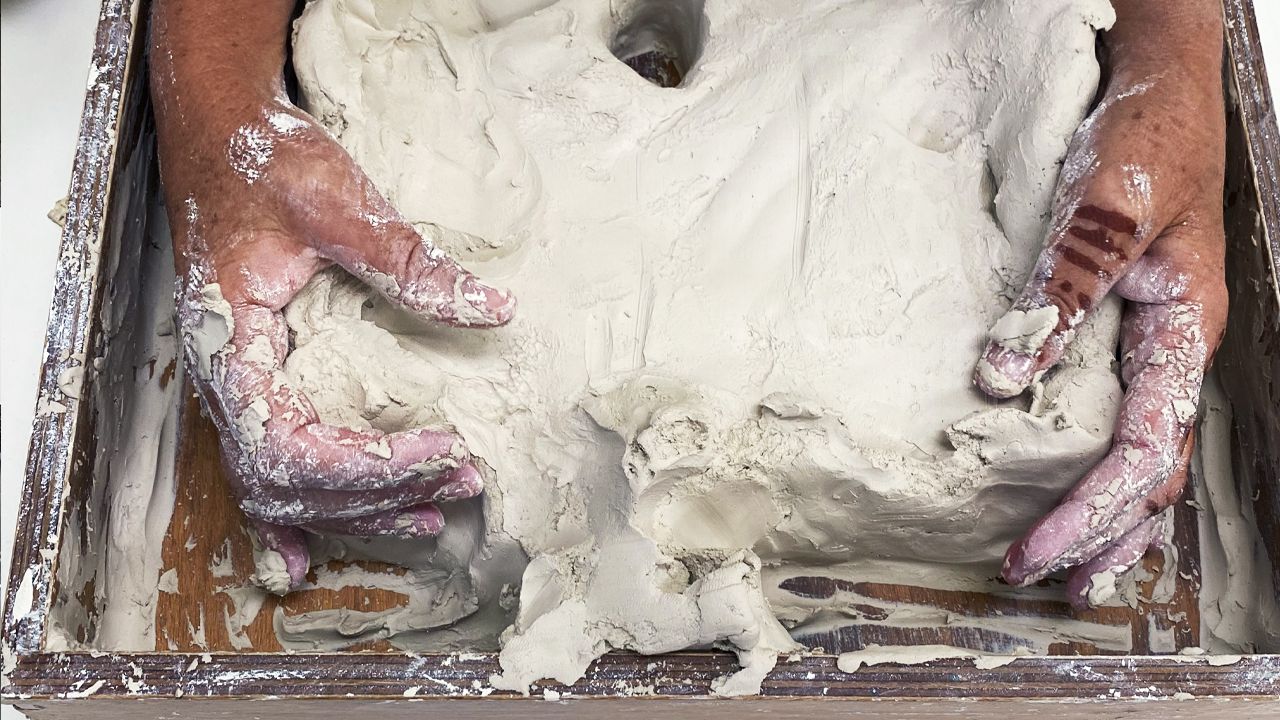
How Trauma is Often Held Within the Body
by Yuhana Nashmi
When a person experiences deep, layered trauma, the impact is often held within the body. Traditional talking therapies are highly valuable, but there are moments when words are constrained by cultural stigma, overwhelming emotion, or the sheer magnitude of grief. In these instances, the body continues to carry what cannot articulated verbally.
Moving Beyond Narrative to Embodied Regulation
In trauma-informed practice, counsellors frequently meet clients whose emotional dysregulation is intense and persistent. When an individual is operating in a constant state of hyperarousal, marked by somatic tension, vigilance, and intrusive memories, asking them to verbalise their pain can sometimes risk re-triggering the trauma.
Clay field therapy shifts the therapeutic focus from narrative exploration to embodied regulation. It is a structured sensorimotor approach where the primary goal is not to create a piece of art, but to facilitate a tactile interaction between the hands and the clay. Because the hands function as the primary communicators, the process focuses entirely on nervous system regulation rather than identity or storytelling.
The Therapeutic Journey: From Discharge to Soothing
In the clinical case presented by Yuhana, an adult woman navigating complex collective trauma and the profound grief of losing her child to suicide was referred for sensorimotor-based therapy. Initially unready to speak about the depth of her pain, her early engagement with clay began as a spontaneous somatic intervention.
When intense anger, guilt, and grief surfaced, the client interacted with the clay forcefully, shredding and compressing the material. In this phase, the clay functioned as a regulating vessel, allowing a safe physical discharge of stored motor impulses and defensive energy.
As the session progressed and the client was introduced to rhythmic techniques, such as slowly pinching the clay in synchronisation with her breath, a noticeable shift occurred. Her movements became purposeful and coordinated. By introducing warm water, the therapy engaged her skin sense, promoting a feeling of surface sensation, texture, and temperature. This tactile dialogue allowed her breathing to slow, her body to soften, and her nervous system to move from a state of high activation into deep relaxation.
The Trauma Vortex and the Healing Vortex
To understand how this modality works, therapists often look to the relationship between the trauma vortex and the healing vortex. The trauma vortex represents activation, overwhelm, intrusive memories, and high physiological arousal. The healing vortex represents regulation, safety, and a return to balance.
The issue in trauma is not necessarily the activation itself, but the reality of a nervous system becoming stuck in that distress without a pathway back. Clay field therapy facilitates a process called pendulation. By safely entering a state of intense physical expression within the containment of the clay field, and then transitioning into soothing, rhythmic touch, the nervous system practices moving into activation and returning to regulation. Each safe oscillation strengthens the healing vortex, retraining the nervous system and helping to reintegrate the trauma.
Strengthening Capacity Outside the Therapy Room
The goal of this embodied work is to expand a person’s window of tolerance, allowing them to experience intense sensations without becoming overwhelmed. For the client in this case study, the benefits translated directly into improved functional stability in her daily life. She was able to leave her sessions grounded, maintain her crucial caregiving roles, and even resume creative hobbies at home, introducing clay work to her children.
Trauma recovery is rarely about a sudden resolution of grief. Instead, it is about building a strengthened capacity, giving individuals the internal tools to hold their experiences without being consumed by them.
Yuhana Nashimi
Senior Clinical Group Counsellor, Clinical Services and Research Team; STARTTS - NSW Service for the Treatment and Rehabilitation of Torture and Trauma Survivors
Republished with permission. You can view the original essay on the STARTTS website:
https://startts.org.au/how-trauma-is-often-held-within-the-body/


